Curriculum
Cricket Farming Guide
Starting Cricket Farming: Strategy and Finance
0/4

Housing, Environment and Escape Prevention
0/4
Reproduction and Hatchling Management
0/4
Health, Hygiene and Processing
0/4
Market Access and Value Added Sales
0/4
Low-Cost Housing: Cricket Condos
Designing the Perfect Cricket Bin
A professional cricket bin must serve three purposes: it must keep the crickets in, keep predators out, and provide enough “real estate” for thousands of insects to live without fighting.
1. The Outer Shell (The Bin)
-
Plastic Bins: The most popular choice in Kenya and Nigeria. They are easy to wash, light to move, and the smooth walls make it hard for crickets to climb out. Look for the 80L or 100L “heavy-duty” clear or opaque bins found in local supermarkets.
-
Wooden Crates: If plastic is too expensive, you can build crates from plywood. However, you must line the top 10cm of the inside with smooth packing tape or glass strips, otherwise, the crickets will climb the wood and escape.
2. The Internal Furniture (Egg Trays)
Crickets spend 90% of their time hiding.
-
The Gold Standard: Used cardboard egg trays. They are breathable and have hundreds of little pockets for crickets to tuck into.
-
The Layout: Stack them vertically (standing up) like books on a shelf, rather than laying them flat. This allows the cricket droppings (frass) to fall to the floor of the bin, keeping the living area clean and dry.
-
Spacing: Leave a 5cm gap between the top of the egg trays and the lid of the bin to prevent crickets from jumping out when you open the lid.
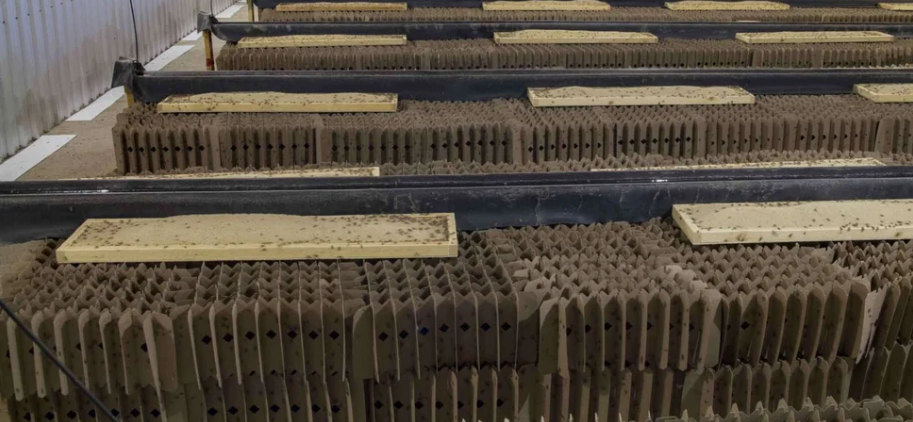
3. Predator Proofing
In many African settings, ants are the number one enemy. They can wipe out a bin of 10,000 pinheads in one night.
-
The Moat System: Place the legs of your cricket racks in small bowls or tins filled with water or old engine oil. No ant can cross this “moat.”
Materials Comparison for Rearing
| Material | Cost | Durability | Hygiene Rating |
| Plastic Bins | Medium | High | Excellent (Washable) |
| Plywood Boxes | Low | Medium | Fair (Hard to disinfect) |
| Cardboard Trays | Very Low | Low | Good (Replace every cycle) |
| Mosquito Mesh | Low | High | Essential (Airflow) |
Case Study: The Trash to Treasure Bins in Nakuru
James, a young entrepreneur in Nakuru, couldn’t afford 50 new plastic bins. Instead, he went to a local “Mali Mali” (second-hand) dealer and bought cracked plastic bins at a 70% discount. He sealed the cracks with hot glue and used the money he saved to buy high-quality mosquito netting for the lids. He sourced his egg trays for free from a local bakery that was going to burn them. By using recycled materials for his “Condos,” his initial investment was recovered in just two harvest cycles (roughly 3 months).
Important Things to Keep in Mind
-
Verticality is Volume: The more egg trays you stack (without crushing them), the more crickets you can fit in one bin.
-
Cleanliness: Always replace cardboard egg trays after every harvest. They soak up moisture and can harbor bacteria that will kill your next batch.
-
Air Space: Never fill a bin more than 70% full with egg trays; you need air to circulate at the top to prevent heat stroke.