Curriculum
Cricket Farming Guide
Starting Cricket Farming: Strategy and Finance
0/4

Housing, Environment and Escape Prevention
0/4
Reproduction and Hatchling Management
0/4
Health, Hygiene and Processing
0/4
Market Access and Value Added Sales
0/4
Understanding the Cricket Life Cycle and Harvest Timing
The Four Stages of Growth
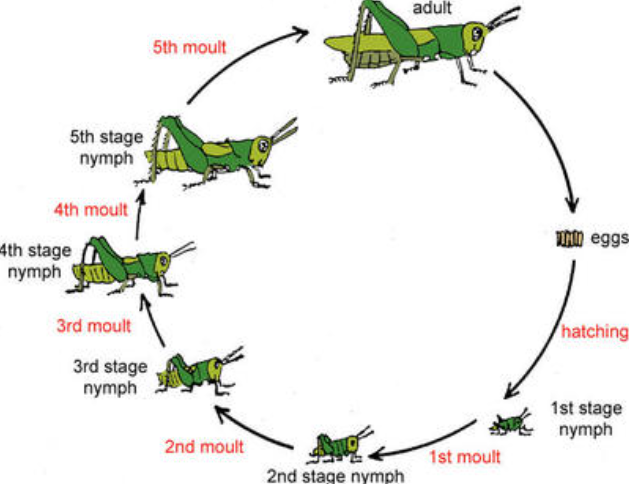
To manage a cricketery, you must act like a conductor of an orchestra. Each bin will be at a different stage of the cycle.
1. The Egg Stage (8–12 Days)
Eggs are laid in moist nesting pads (usually soil or cotton). They are tiny, banana-shaped, and creamy white.
-
Your Task: Keep the soil damp but not soaking wet. If it dries out, the eggs die. If it’s too wet, they mold.
2. The Pinhead/Nymph Stage (Weeks 1–3)
The eggs hatch into “pinheads” – tiny versions of adults without wings. They are very fragile and can drown in a single drop of water.
-
Your Task: Provide high-protein powder feed and water via a damp sponge or cotton wool (no open water bowls!).
3. The Juvenile Stage (Weeks 4–5)
This is the “teenage” phase. The crickets eat voraciously and grow rapidly. You will see them shedding their skins (molting) frequently.
-
Your Task: Ensure plenty of vertical space (egg trays) so they don’t crowd each other and start fighting.
4. The Adult Stage & Harvest Window (Week 6+)
Crickets reach adulthood when they develop full wings. The males will begin to chirp to attract females.
-
The Golden Window: The best time to harvest for feed or food is just before they get full wings (the “sub-adult” stage). At this point, their bodies are plump, and they haven’t spent energy on mating yet.
Managing the Staggered Harvest
If you start all 50 bins on the same day, you will have a massive harvest 6 weeks later, and then nothing for another 6 weeks. This is bad for business!
-
The Strategy: Start 8 bins every week. By the time you reach week 7, your first 8 bins are ready for harvest. As soon as you empty them, you clean them and start again. This creates a “conveyor belt” of protein and a steady weekly income.
Life Cycle Timeline Table
| Stage | Duration | Primary Need | Risk Factor |
| Incubation | 10 Days | 30oC + Humidity | Desiccation (Drying out) |
| Early Nymph | 14 Days | High Protein Powder | Drowning |
| Late Nymph | 14 Days | Space/Airflow | Cannibalism |
| Adult | 14+ Days | Nesting Trays | Natural Death/Old Age |
Case Study: The Missed Window in Kumasi
A farmer in Kumasi, Ghana, waited until all his crickets were chirping loudly before harvesting, thinking “bigger is better.” However, he noticed that his total harvest weight started dropping. Why? Because the adult crickets were reaching the end of their life cycle and dying naturally before he could catch them. He also realized the wings made the cricket flour feel “gritty.” He shifted his harvest to the “Pre-wing” stage (Day 35-40). His yield increased by 15% because he “captured” the weight before natural mortality set in, and his flour became much smoother and more popular.
Important Things to Keep in Mind
-
Temperature is the Remote Control: If your farm is cold (20oC), the cycle will take 10 weeks. If it is warm (30oC), it takes 6 weeks. Heat speeds up your profit.
-
Keep Records: Write the “Hatch Date” on every bin with a marker. Never guess how old your crickets are.
-
The Chirp Signal: When you hear the first few males chirping, it is your 48-hour warning that harvest time has arrived.