Curriculum
Commercial Turkey Farming Guide
Getting Started with Turkey Farming (Finance and Strategy)
0/4

Housing and Brooding Intensives
0/4
Nutrition and Biosecurity
0/4
Production and Flock Optimization
0/4
Marketing and Premium Access
0/4
The Profit Model: Meat vs. Breeders
Understanding the Heavyweights: Broad Breasted White & Bronze
If your goal is to hit the Christmas market with birds that look like they’ve been to the gym, you are looking at the Broad Breasted White or the Broad Breasted Bronze. These are the Formula 1 cars of the Turkey world.
-
Growth Speed: These birds are bred for one thing: muscle. In just 18 to 20 weeks (about 4.5 to 5 months), a male (Tom) can reach a staggering 15–18kg.
-
The Meat-to-Bone Ratio: These birds have massive breasts. For a hotel chef, this is gold because they get more slices of white meat per bird.
-
The Downside: They are fragile. Because they grow so fast, their legs can sometimes struggle to carry the weight. They also cannot fly or even mate naturally in many cases (requiring artificial insemination if you want to breed them), meaning you usually have to buy new poults (baby turkeys) every single time from a certified hatchery.
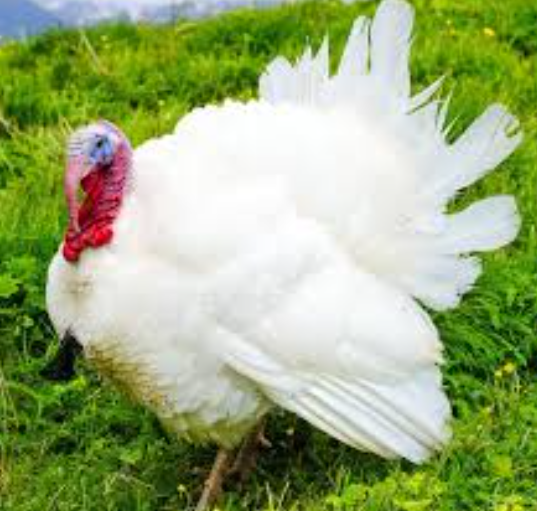
Broad Breasted White
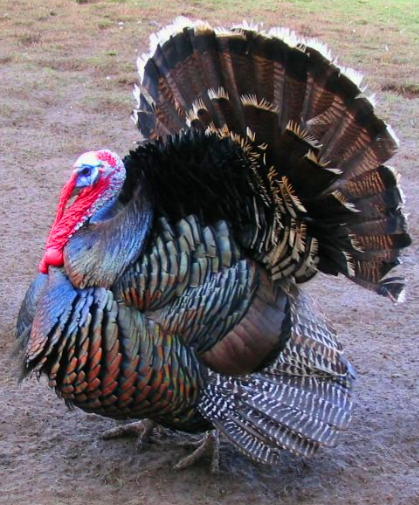
Broad Breasted Bronze
The Resilient Path: Local & Heritage Breeds
In many parts of Kenya, Nigeria, and Ghana, you will see the Local Turkey. These are leaner, taller, and much tougher.
-
Survival Instincts: Unlike their white cousins, local turkeys are excellent foragers. They can find half their food in the bushes, eating insects and grass. They are also much better at mothering – they will sit on their eggs and protect their young.
-
Market Niche: There is a growing organic or free-range market. Some customers prefer the tougher, gamier taste of a local turkey over the soft meat of the commercial breeds.
-
The Timeline: Patience is required. A local turkey might take 30 to 40 weeks to reach a decent weight, and even then, it won’t be as heavy as a 20-week-old Broad Breasted White.
Comparing the Two Models
| Feature | Broad Breasted (Exotic) | Local/Heritage Breeds |
| Time to Market | 18–22 Weeks | 30–40 Weeks |
| Market Weight (Avg) | 12kg – 18kg | 5kg – 8kg |
| Feed Dependence | 100% Commercial Feed | 50% Forage / 50% Supplement |
| Mothering Ability | Poor/None | Excellent |
| Ideal Customer | Hotels, Supermarkets, Expats | Local Households, Live Markets |
Case Study: Mama Sarah’s Hybrid Success in Machakos
Mama Sarah started with 100 Broad Breasted Whites. She realized that while they grew fast, the feed cost in the final month almost “ate” her profit. The following year, she kept 20 local hens and crossed them with a commercial Tom. The result? A “Commercial-Kienyeji” bird that grew faster than the local ones but was tougher and less sickly than the pure whites. She reduced her mortality (death rate) from 15% to 5% and sold them as “Improved Local Turkeys” for a premium price to health-conscious buyers in Nairobi.
Important Things to Keep in Mind
-
Know your buyer before you buy the bird: Don’t grow 20kg birds if your local customers only have small ovens or small budgets.
-
The Feed Trap: Exotic birds cannot hustle for food. If you run out of money for commercial feed, they will stop growing immediately.
-
Breeding vs. Buying: If you want a cycle where you don’t keep buying chicks, go for Local/Heritage. If you want a quick in-and-out cash injection for December, go for Broad Breasted.