Quail Farming Business Guide

- Description
- Curriculum
- Reviews
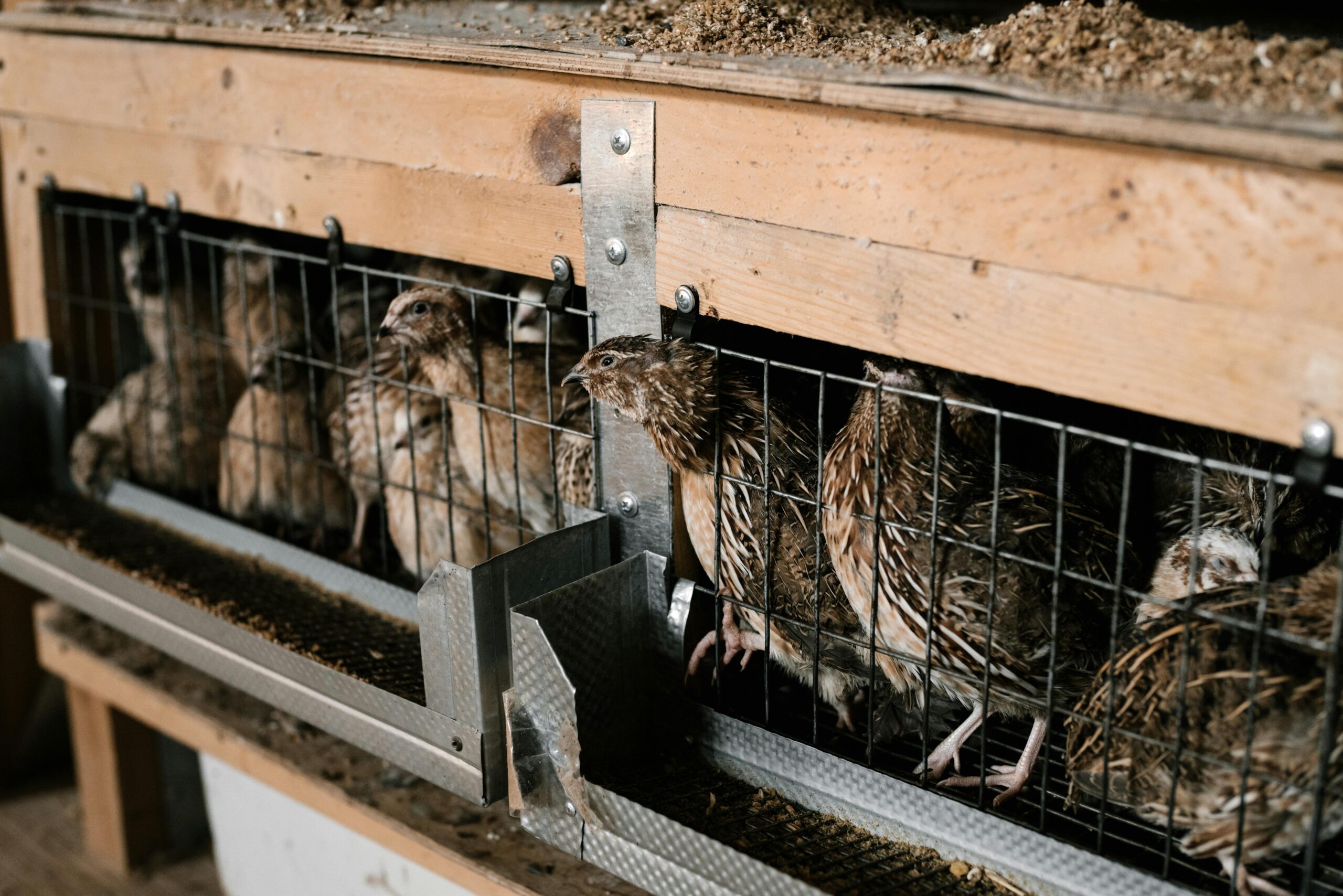
Commercial quail farming offers a compact and fast-moving agribusiness opportunity for farmers working with limited space and looking for quick production cycles. Quails mature quickly, start laying eggs early, and can be reared in relatively small units, making them attractive for urban and peri-urban entrepreneurs. Their eggs and meat have gained attention in health-conscious and niche markets, creating potential for premium pricing when quality and consistency are maintained. However, profitability in quail farming is not automatic – market demand can be inconsistent, and success depends heavily on proper planning, cost control, and having a clear sales strategy from the start.
This guide is designed to help aspiring and emerging agripreneurs approach quail farming as a structured business rather than a trend-driven venture. It focuses on the practical decisions that determine success – including setting up efficient housing systems, managing feeding and production, controlling mortality, maintaining consistent egg output, and securing reliable buyers. Whether you are starting small or aiming to build a larger operation, the insights shared here will help you avoid common pitfalls, manage risks, and run a quail enterprise with clarity, discipline, and a strong focus on profitability.
-
1
 The License & Legal Foundation
Before you buy your first bird or build a single cage, you must understand that in Kenya and many other African nations, quails are not classified as ordinary poultry like chickens. They are technically "wildlife." This step covers the mandatory legal requirements, specifically dealing with the Kenya Wildlife Service (KWS). We will discuss why this license is your shield, how to apply for it, and the importance of staying on the right side of the law to avoid heavy fines or the closure of your farm. Skipping this step is the fastest way to lose your investment before you even sell your first egg.
The reason the government regulates quail farming is to prevent the illegal poaching of wild birds from our national parks. By getting a permit, you are proving that your birds are "domesticated" and sourced from a certified breeder. This legal backing also opens doors for you; many high-end supermarkets and hotels in Nairobi or Lagos will not touch your products if you cannot produce a valid permit. It turns your hobby into a recognized, professional business.
-
2
Budgeting for a 500-Bird Pilot
If you are going to treat this as a business, you must move away from estimations and move into calculations. This step breaks down the financial requirements to start a 500-bird unit. We will look at Capital Expenditure (CapEx) - the big one-time costs like cages, and Operating Expenditure (OpEx) - the daily costs like feed. Starting with 500 birds is the "sweet spot" for a pilot; it’s large enough to provide a daily income that you’ll actually feel in your pocket, but small enough to manage in a small backyard or a spare room.
Many people fail because they spend all their money buying birds and forget they need to feed them for 6 weeks before the first egg arrives. We will budget for a total of approximately KES 190,000 ($1,500). This might sound like a lot, but remember: a quail is a high-turnover machine. In this section, we will see how that money is split and how soon you can expect to start seeing "Green" (profit) instead of "Red" (debt).
-
3
Selecting Your Breed (Japanese vs. Jumbo)
In the world of quails, one size does not fit all. If you want to be a successful agripreneur, you must decide your "Value Proposition": Are you an egg farmer or a meat farmer? This step explores the two dominant breeds in Africa: the Japanese Quail (Coturnix japonica) and the Jumbo (Commercial) Quail. We will compare their growth rates, egg-laying capacities, and feed requirements. Choosing the wrong breed for your market is like trying to sell a heavy truck to someone who needs a fuel-efficient taxi.
We will also discuss the "Certified Breeder" concept. In Africa, many "brokers" sell mixed-breed birds that have been inbred for years. These birds grow slowly and die easily. I will show you how to spot a healthy, high-quality "Parent Stock" so that you start your farm with winners, not losers.
-
4
Risk: The Quail Mania Trap
Agribusiness in Africa is prone to hypes. You might remember the "Quail Mania" of 2013-2014 where people were selling a single egg for KES 100, only for the market to crash overnight. This step is a "reality check." We will discuss why that happened and how to build a Sustainable Business that survives market fluctuations. We will move away from the "get-rich-quick" mindset and focus on the Medicinal Niche and the Health Conscious Consumer.
This step is about Business Intelligence. It teaches you how to read the market. If everyone in your village is suddenly keeping quails, the price will drop. I will teach you how to "Verticalize" - meaning you don't just sell eggs; you sell the benefits of the eggs, the manure, and even the "ready-to-cook" meat. This ensures that even if the "hype" dies, your profit stays alive.

-
8
Tiered Battery Cage Systems
If you want to make a real profit from quails, you must abandon the idea of letting them run around on the floor like traditional "Kienyeji" chickens. Quails are small, flighty, and high-energy birds. This step explains the Tiered Battery Cage System, which is the gold standard for commercial quail farming in Africa. We will discuss why "stacking" your birds in 4 to 10 tiers is the only way to achieve a high return on investment (ROI) in urban and peri-urban settings where land is expensive.
The magic of quails is their density. In the space required for 100 chickens, you can comfortably house 1,000 quails. We will look at how to design or buy these cages, focusing on the "Slanted Floor" design that allows eggs to roll out automatically, reducing breakage and keeping the eggs clean for the premium "medicinal" market.
-
9
Environmental Control & Ventilation
Quails are tough, but they are sensitive to stuffy air. Because you are keeping hundreds of birds in a small space, the air can quickly become thick with ammonia from droppings. This step covers the Environmental Control necessary to keep your birds at the optimal temperature of 18–24°C. We will discuss how to use simple "passive" ventilation - like mesh walls and curtains, to ensure your birds don't die from respiratory failure, which is a common "silent killer" in humid African regions.
Proper ventilation isn't just about "moving air"; it’s about controlling the speed of that air. A direct cold wind (draft) will make quails huddle and stop laying. We will look at how to position your house so the wind doesn't hit the birds directly, but still clears out the heat and smell.
-
10
Ultra-Sensitive Brooding (0–3 Weeks)
The first 21 days of a quail’s life are the "Danger Zone." A baby quail (chick) is roughly the size of a bumblebee and weighs only 7 grams. If the temperature drops by even 2 degrees, they will huddle and crush each other to death. This step teaches you Ultra-Sensitive Brooding. We will learn how to manage "Micro-Heat" and why a standard chicken brooder is often too "rough" for these delicate creatures.
We will also address "Spraddle Leg" - a condition where a chick’s legs slide sideways on smooth floors, making them permanent cripples. You will learn the "Pebble Trick" for watering, which prevents your expensive chicks from drowning in a single centimeter of water.
-
11
Lighting for 24-Hour Production
In the wild, quails stop laying eggs when the days get short. As a commercial agripreneur, you cannot afford "seasonal" production. This step explains how to use Artificial Lighting to trick the quail’s body into thinking it is forever summer. We will implement a 14–16 hour light program using low-cost LED bulbs. This is the "secret sauce" that ensures your 500 birds give you 450 eggs every single day, regardless of whether it's the rainy season in July or the sunny season in January.
Lighting isn't just about "seeing"; it’s about "hormones." Light enters the quail's eye and stimulates the brain to release the hormones that create eggs. We will discuss how to set this up without breaking the bank on electricity bills.
-
15
Precision Feed Formulation
Quails are small, but their protein requirements are massive. A chicken might thrive on 14–16% protein, but a quail chick will struggle to survive on anything less than 28% protein for the first three weeks. This step explains the "High-Protein Rule." We will discuss why feed quality is more important than quantity. Since a quail eats only 25–30g of feed per day, the margin for error is tiny. If the feed is "low grade," the bird won't just grow slowly - it will simply stop laying or fail to develop its immune system.
We will break down the three stages of feeding: Starter, Grower, and Layer. Most Kenyan and African markets do not sell "Quail Feed" specifically. You will learn the "Agripreneur Hack": how to take high-quality Turkey Starter or Broiler Starter and modify it to meet the unique needs of your quails.
-
16
Aflatoxin & Moisture Management
In the humid parts of Africa, from the Kenyan Coast to the Nigerian interior, the biggest killer of quails isn't a virus; it’s Aflatoxin. This is a poison produced by molds that grow on damp maize and feed. Because quails are so small, a level of mold that wouldn't even make a cow sneeze will kill a quail in 48 hours. This step covers the strict storage of feed in dry, elevated areas. We will learn how to "sniff out" bad feed and why you should never buy feed that has been sitting in a damp agrovet for months.
Managing moisture is about two things: how you store the feed and how you handle it. We will discuss the "Pallet Rule" and why feed should never touch a concrete floor directly.
-
17
Hygiene-Based Biosecurity
In the poultry world, we say: "Cleanliness is the Vaccine." Because quails are relatively new to commercial farming, many of the vaccines we use for chickens (like Gumboro or Newcastle) are either not tested for quails or are hard to find in small doses. This step teaches you how to build a "Biosecurity Wall" around your farm. We will focus on footbaths, daily tray cleaning, and the prevention of Coccidiosis - the most common intestinal disease caused by dirty environments.
Biosecurity is not about being "fancy"; it’s about being "strict." It means keeping your neighbors, their kids, and their "Kienyeji" chickens away from your quail house.
-
18
Cannibalism & Stress Prevention
Quails are high-strung. They are easily spooked by loud noises, sudden lights, or strange dogs. When a quail is stressed, it does two things: it stops laying and it starts pecking its neighbors. This step explores Environmental Enrichment and stress management. We will discuss how to manage light intensity and why giving your quails a "dust bath" or a few perches can prevent them from turning into cannibals.
Cannibalism (pecking at vents or heads) is usually a sign that the farmer has failed - either the birds are too crowded, the room is too bright, or the protein in the feed is too low. We will look at how to fix these issues before you lose your birds.
-
19
Egg Management (Table vs. Fertile)
Once your quails hit the 6-week mark, you will start finding tiny, speckled treasures in your collection trays. But as an agripreneur, you must distinguish between two different products: Table Eggs (for eating) and Fertile Eggs (for hatching). This step explains how to manage both. We will discuss why collecting eggs 2-3 times a day is a "non-negotiable" task to prevent breakage and spoilage. We will also cover "Grading"- sorting eggs by size and shell quality - because a premium customer will not pay top shilling for a tiny, cracked, or dirty egg.
If you are producing fertile eggs to sell to other farmers or for your own incubator, the rules change. A fertile egg is a "living thing" in a shell. If you leave it in a hot cage for 12 hours, the embryo can start to develop and then die, leading to a "rotten egg" in your incubator. We will learn the "7-Day Rule" for storage to ensure that when you put eggs in the machine, they actually hatch.
-
20
Incubation Mastery (16–18 Days)
If the cages are your factory, the incubator is your "engine." To be a truly independent agripreneur, you must learn to hatch your own chicks. This step covers the Mastery of Incubation. We will discuss how to operate small-scale digital incubators (common in Kenya and Nigeria) and the three critical "Life Pillars": Temperature (37.5°C), Humidity (60–65%), and Turning.
The final three days (Day 15–18) are known as the "Lockdown" period. This is the most common time for beginners to fail. I will explain the "No-Turn" rule and why you must resist the urge to open the incubator to "help" a chick hatch. Opening the lid at the wrong time is like popping a balloon; the humidity escapes, the internal membrane dries out, and the chick gets "shrink-wrapped" and dies inside the shell.
-
21
Meat Production (The 5-Week Broiler)
While eggs are the daily bread, quail meat is the "premium harvest." This step focuses on the 5-Week Meat Cycle. Quails reach their peak Feed Conversion Ratio (FCR) between week 5 and week 6. This is the exact moment when the bird has eaten the least amount of feed to reach the most amount of meat. If you keep a meat bird until week 10, you are losing money because the bird stops growing but keeps eating your expensive feed.
We will look at how to target a 200g–250g harvest weight. We will also discuss the "finishing" process - how to give the birds a stress-free final week to ensure the meat is tender and high-quality for the hotel and restaurant market.
-
22
The Culling & Replacement Strategy
Every employee on your farm (the birds) eventually gets old and slow. A quail's peak egg production lasts for about 10 to 12 months. After that, she will eat the same amount of feed but only give you 3 eggs a week instead of 6. This step teaches you the Culling and Replacement Strategy. We will discuss how to retire your "Senior" birds and replace them with "Fresh Graduates" to keep your farm turnover high and your profit margins steady.
We will also look at the "Spent Layer" market. Just because a bird is too old to lay eggs doesn't mean she is worthless. In many African markets, "Spent Layers" are highly prized for stews (like "Kuku Kienyeji") because the meat is tougher and more flavorful than young broilers.
-
23
The Functional Food Marketing Strategy
In Kenya and many parts of Africa, people don't just buy quail eggs because they are hungry; they buy them because they want to feel better. This step covers the "Functional Food" Positioning. We will discuss how to market the scientific and traditional benefits of quail eggs - specifically their high levels of Vitamin B1, Iron, Zinc, and Ovomucoid protein (a natural anti-allergic).
As an agripreneur, you are selling an Immune Booster. We will look at how to target specific "Customer Personas": the gym enthusiast looking for muscle recovery, the parent of an asthmatic child, and the elderly person managing blood pressure. When you sell "Health," you don't compete with the chicken egg price of KES 15; you set your own premium price of KES 20–30.
-
24
Packaging for Retail Shelf-Space
Presentation is the difference between a hobby and a brand. If you sell eggs in a recycled polythene bag, they look like a commodity. If you sell them in a clear plastic punnet with a professional label, they look like medicine. This step covers Packaging and Compliance. We will discuss how to design 12-egg or 30-egg punnets that protect the fragile shells and meet the standards of bodies like KEBS (Kenya Bureau of Standards) or your local food authority.
We will look at "Label Psychology" - why using colors like Green (Health) or Gold (Premium) attracts the eye of the urban shopper. We will also cover the "Small Print": ensuring your expiry dates, batch numbers, and contact details are clear.
-
25
Value Addition: Pickled Eggs & Manure
Real wealth in agribusiness is found in the things other people throw away. This step explores Value Addition. We will look at how to process "surplus" eggs into Pickled Quail Eggs - a high-margin snack for bars and hotels. We will also discuss the "Secondary Gold" of your farm: Quail Manure. Because quails eat high-protein feed, their droppings are some of the most nitrogen-rich fertilizers on the planet.
Value addition ensures that nothing leaves your farm for free. If an egg is too small to sell, you pickle it. If the bird poops, you bag it and sell it to a strawberry farmer. This "Zero Waste" model can increase your total farm revenue by 20–30%.
-
26
B2B Sales (Hotels & Supermarkets)
The final level of "Market Access" is moving from 1-pack sales to Bulk Contracts. This step covers B2B (Business-to-Business) Sales. We will discuss how to approach hotel chefs, supermarket managers, and hospital procurement officers. We will also explore the power of "Direct Subscription" - using WhatsApp and Instagram to build a loyal list of 100 families who receive a fresh 30-pack of eggs at their door every Monday morning.
This is where you build "Predictable Income." If you know 50 families will buy your eggs every week, you don't have to "look" for customers; you just fulfill orders.