Mealworm Farming (Vermiculture) Guide

- Description
- Curriculum
- Reviews
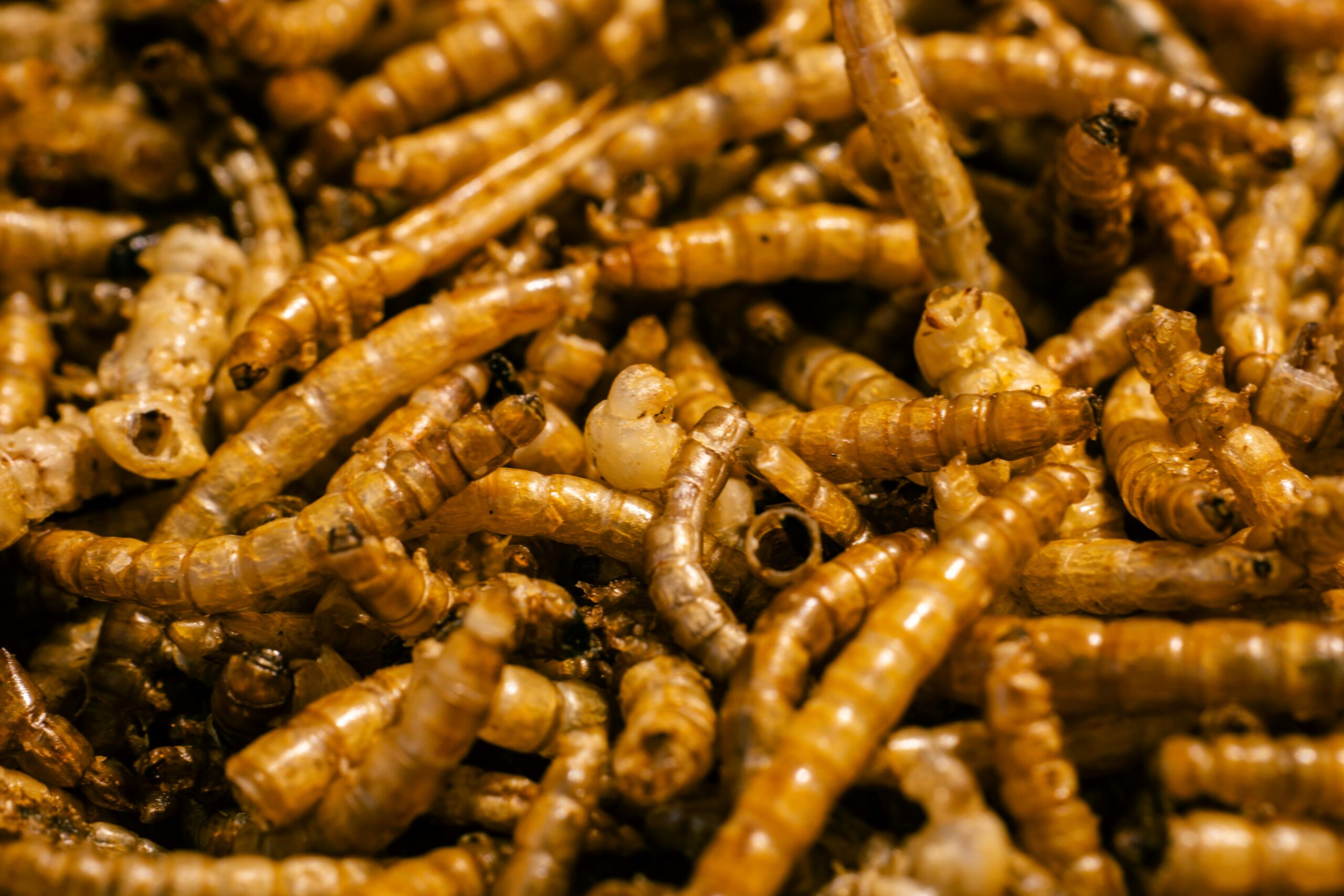
Mealworm farming presents a modern, high-potential agribusiness opportunity that requires minimal space, moderate capital, and efficient management. As demand grows for affordable protein sources in poultry feed, fish feed, pet food, and even human consumption markets, mealworms are increasingly recognised as a valuable alternative protein. They convert organic materials into high-protein biomass efficiently, making them attractive for farmers seeking sustainable and scalable enterprises. However, profitability depends on proper colony management, temperature control, breeding cycles, hygiene, and reliable market linkages.
This guide is designed to help aspiring and emerging agripreneurs approach mealworm farming as a structured commercial venture rather than a simple experiment. It focuses on the practical factors that determine success – setting up breeding systems, managing life cycles, controlling moisture and contamination, harvesting efficiently, reducing mortality, and identifying steady buyers. Whether you are starting small to supply local poultry farmers or aiming to scale into commercial feed markets, the principles shared here will help you build a disciplined, efficient operation capable of generating consistent income.
-
1
 Market Analysis: Protein Feed and Frass Value
Why Mealworms?
Before you start any business, you must ask: "Who is going to give me money for this?" In the world of mealworms, you are playing in two massive markets. First is the Protein Market. Currently, poultry and fish farmers in Kenya and across Africa are struggling with the skyrocketing prices of soya and omena (fish meal). Mealworms offer a 50% or higher protein content that can replace these expensive ingredients.
Second is the Organic Fertilizer Market. The poop of the mealworm, called frass, is a dry, odorless, and highly potent fertilizer that urban gardeners and organic farmers crave.
This step will help you understand how you will price your product and who your hungry customers are.
-
2
Mastering the Four-Section Life Cycle
From Egg to Beetle
You cannot manage what you do not understand. A mealworm is not just a worm; it is a stage in the life of the Darkling Beetle. To run a continuous business where you have product to sell every single week, you must master the four stages of its life. If you treat them all the same, the big ones will eat the small ones, the beetles will eat the eggs, and your business will collapse. This step teaches you the "biological clock" of your factory so you can plan your harvests and your sales without running out of stock.
-
3
Financial Projections and Continuous Production
The Math of the Mealworm Farming is a business, not a hobby. If you don't know your "Cost of Production," you are just playing with bugs. This step focuses on how to calculate what you need to spend (Investment) versus what you expect to earn (Revenue). We will look at the cost of your "shelving," your "containers," and your "feed." More importantly, we will look at how to scale up. In Africa, we have the advantage of "Ambient Temperature," meaning we don't always need expensive heaters like they do in Europe, but we must plan for the "Lean Times" when the cycle slows down.
-
4
Sourcing and Quarantine of Foundation Stock
Starting with "Clean Blood" Your farm is only as good as your first set of insects. If you start with "sick" worms or a culture infested with mites, you will be fighting a losing battle from Day 1. You cannot just pick "worms" from the garden—those aren't mealworms! You need the specific Tenebrio molitor species. This step explains where to buy them and, more importantly, the "Quarantine" process. Just like you wouldn't bring a coughing cow into a healthy herd, you shouldn't put new worms directly into your main farm.

-
8
Low-Cost Vertical Habitat Design
This step focuses on the physical structure of your mealworm farm. Because mealworms don't need sunlight and thrive in dark, cramped spaces, we use "Vertical Farming." This means we grow them in layers, going up rather than out. This step will teach you how to select the right containers, build a rack system that fits in a small corner of your house or a dedicated shed, and ensure your "tenants" don't go wandering off. We focus on using materials you can find at any local plastic ware shop or hardware store in Kenya or across Africa, keeping your initial "startup capital" low while maximizing your production per square meter.
-
9
The Dry Substrate Formula
This step is about the "bedding" your worms live in. In mealworm farming, the bed is also the breakfast, lunch, and dinner. We call this the Substrate. This section explains how to source local, cheap agricultural by-products to create a nutrient-rich environment that allows larvae to grow fat and healthy. We will talk about why "dry" is the golden rule and how to treat your substrate to ensure you aren't bringing "enemy" bugs into your farm.
-
10
Temperature and RH (Humidity) Control
This is the most "technical" part of the guide, but think of it as "weather management." Mealworms are cold-blooded; they only grow when it’s warm. If it’s too cold, they stop eating. If it’s too hot, they cook. If it’s too humid, they rot. This step teaches you how to maintain the "Sweet Spot" of 25°C to 28°C and how to keep the air dry enough to prevent the dreaded "Blue Mold."
-
11
Water Provision without Drowning
Mealworms don't drink from a bowl. In fact, if you put a bowl of water in their tray, they will fall in and drown, or the water will spill and ruin your substrate. However, they are living creatures and need hydration to grow. This step teaches you the "Wet Feed" method: how to use vegetables and fruits to give them water safely.
-
15
Beetle Management and Egg Laying
This step is the "engine room" of your entire business. The Darkling Beetle (Tenebrio molitor) is the adult stage of the mealworm, and its only job is to produce the next generation of profit. In this section, we cover how to keep your breeding stock healthy, how to encourage maximum egg-laying, and the "Rotation Protocol"—a strictly timed movement of beetles from one tray to another. This ensures that your eggs are laid in clean substrate and are never crushed or eaten by the very beetles that laid them. We will also discuss the ideal density (how many beetles per square centimeter) to prevent stress and infertility.
-
16
The Sifting Protocol for Production
Sifting is the "harvesting" of your hard work. It is the process of separating the valuable mealworms from their waste (frass) and their bedding. This step explains the different mesh sizes you need and how to perform the sifting without stressing or wounding the insects. We will look at how to build a manual "Sifting Station" using local materials and how to timing your sifting to ensure you aren't accidentally throwing away tiny, invisible baby worms along with the waste.
-
17
Pupa Care and Cannibalism Prevention
The pupa stage is the most "vulnerable" part of the life cycle. The mealworm has stopped being a worm and is transforming into a beetle. It cannot move, it cannot eat, and it cannot defend itself. It is a "sitting duck" for hungry larvae. This step teaches you how to identify pupae early, how to remove them daily, and how to set up a "Pupa Nursery" where they can transform in peace.
-
18
Batch Management and Record Keeping
If you don't keep records, you aren't a business—you're just a person with a hobby. To have a "continuous production line," you need to know exactly when a tray was started, when it's due for sifting, and when it will be ready for sale. This step covers the labeling system and the "Production Calendar" that ensures you never run out of stock for your customers.
-
19
Preventing Mite and Mold Infestation
This step is your "Biosecurity" protocol. In the humid and warm conditions that mealworms love, two villains often thrive: Flour Mites and Mold. Mites are tiny, spider-like creatures that hitch a ride on poor-quality grain or damp vegetables; they don't kill worms directly, but they eat their food and irritate them so much that the worms stop breeding and die. Mold, on the other hand, is a silent killer that releases toxic spores. This section will teach you how to "quarantine" your farm and keep these pests at bay using simple, low-cost sanitation habits.
-
20
Dietary Balance and Growth Acceleration
While mealworms can survive on just bran and carrots, they won't grow at "commercial speed" without a protein and vitamin boost. This step explains how to supplement their diet with local green waste and protein sources to shave weeks off your production cycle. In the business of farming, "Time is Money." The faster a worm reaches harvest weight, the less you spend on electricity and housing.
-
21
Gut Loading for Nutritional Value
This is the "Secret Weapon" of the professional agriprenuer. Gut Loading is the process of feeding your mealworms a "super-diet" in the final 24–48 hours before you harvest them. Because a mealworm’s gut stays full for a long time, whatever they eat last is what your chickens, fish, or pigs will eat. This step explains how to turn a standard worm into a "Premium Nutritional Capsule."
-
22
Waste Management: The Frass Harvest
In mealworm farming, there is no such thing as "waste." The "poop" of the mealworm is called Frass. It looks like fine sand and is one of the most powerful organic fertilizers in the world. This step covers how to collect it, clean it, and store it. Selling frass can often cover your entire "rent" or "electricity" cost, making your larvae production pure profit.
-
23
Humane Slaughter and Preparation
Before you can dry or sell your mealworms as a stable product, they must be "slaughtered." While they are insects, a professional agripreneur maintains high ethical and hygiene standards. This step covers the "Purging" process (ensuring their bellies are clean) and the most humane, effective ways to kill the larvae that preserve their nutritional integrity and color. We will discuss why "Blanching" is the secret to a professional-looking product versus simply letting them die in the sun.
-
24
Drying and Milling for Shelf Stability
A fresh mealworm is about 60% to 70% water. To make them "shelf-stable" (meaning they can stay in a bag for 6 months without rotting), you must reduce that moisture to below 10%. This step covers the technology of drying—from the "High-Tech" oven to the "Low-Tech" Solar Dryer—and how to turn dried worms into "Mealworm Flour" (Milling) for the high-end animal feed market.
-
25
Marketing Frass as Premium Organic Fertilizer
We touched on frass in Section 4, but now we treat it as a finished retail product. To dominate the market, you shouldn't just sell "insect poop"; you should sell "Soil Health." This step covers the "pitch" to farmers, the packaging, and how to price this byproduct to ensure it becomes a major pillar of your revenue.
-
26
Accessing Feed and Pet Trade Markets
Now we get to the big money: The Contracts. This step teaches you how to approach three distinct markets: the Pet Trade, the Small-Scale Poultry/Fish Farmer, and the Large-Scale Feed Millers. We will discuss pricing strategies and how to ensure you don't get "squeezed" on price by middlemen.