Commercial Turkey Farming Guide

- Description
- Curriculum
- Reviews
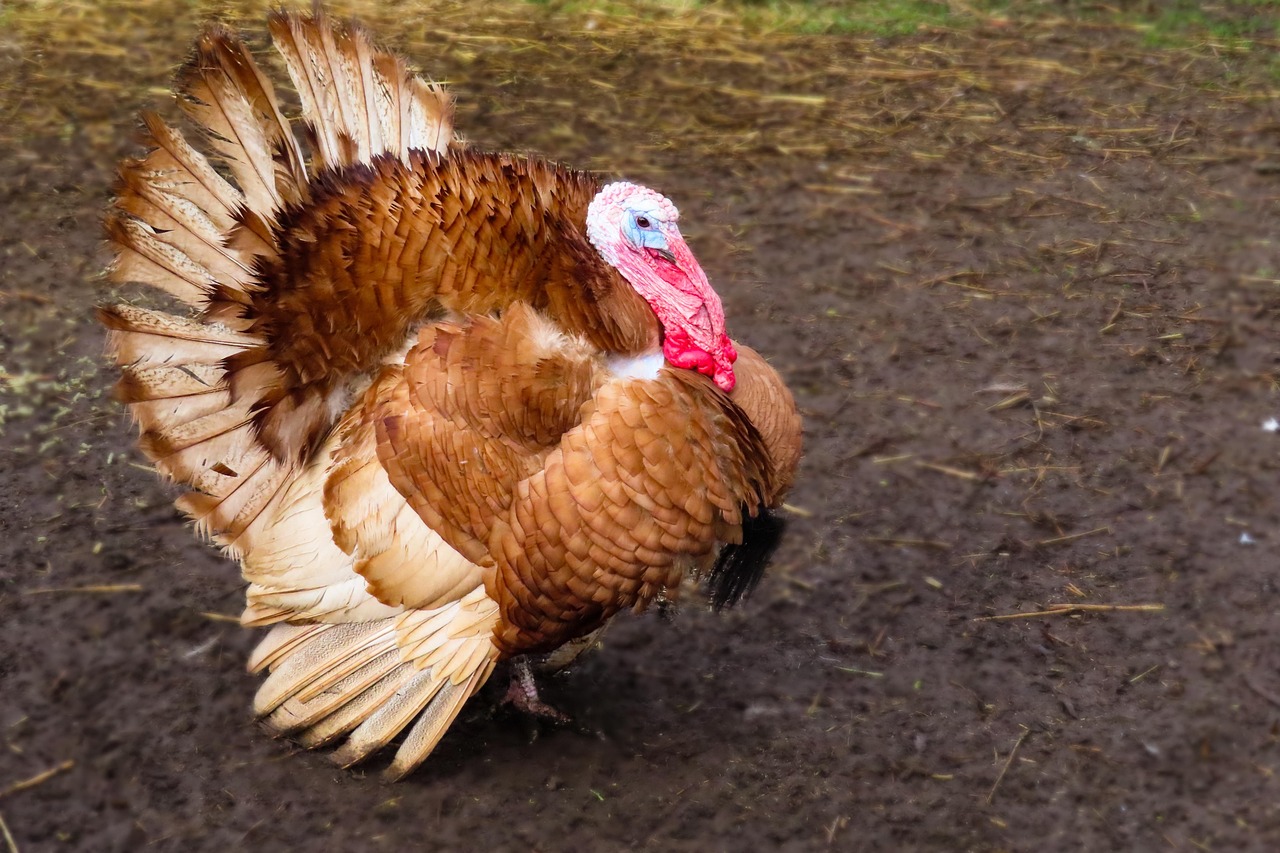
Commercial turkey farming offers a promising but often underutilised agribusiness opportunity for farmers looking to serve premium and seasonal markets. Turkeys are known for their large body size, good meat yield, and strong demand during festive periods, events, and in high-end hospitality markets. While they require more careful management compared to chickens, they can deliver higher returns per bird when properly raised and marketed. However, success in turkey farming is not accidental – it depends on proper brooding, feeding, disease control, and especially timing production to match market demand.
This guide is designed to help aspiring and emerging agripreneurs approach turkey farming as a structured commercial enterprise rather than a seasonal experiment. It focuses on the practical factors that determine profitability, including breed selection, housing and brooding, feeding programs, health management, growth timelines, and targeted selling strategies. Whether you are starting with a small flock or planning to scale for festive market supply, the principles shared here will help you avoid costly mistakes, manage risks, and build a turkey farming business that delivers strong and predictable returns.
-
1
 The Profit Model: Meat vs. Breeders
Before you buy your first bag of wood shavings or build a single fence, you must decide what kind of Turkey Business person you want to be. This step is about choosing your lane. In the world of turkeys, there are two main paths: the "Fast-Track Meat Model" and the "Resilient Breeding Model." Each has a completely different heartbeat. One is about speed and heavy weights (The Broad Breasted varieties), while the other is about stamina, natural survival, and selling heritage genetics (Local/Indigenous breeds). Choosing the wrong one for your specific market, whether that is a high-end Nairobi hotel or a local village market, can lead to wasted feed and zero profit.
This section will dive deep into the biological and financial differences between these breeds. We will look at why the Broad Breasted White is the broiler of the turkey world and why the local "Kienyeji" turkey, though slower, might be the safer bet for a beginner with limited cooling facilities. By the end of this step, you will have a clear vision of which bird fits your land, your pocket, and your customers.
-
2
Capital & The 6-Month Cash Flow
Turkey farming is a marathon, not a sprint. Unlike chickens (broilers) which are ready in 6 weeks, or layers which start paying for themselves at 5 months, a turkey is a consumer for a long time before it becomes a producer.
This step is about the "6-Month Gap" - the period where money only flows out of your pocket and none comes in. If you don't plan for this, you will find yourself with half-grown, hungry birds and an empty bank account by month four.
We will break down the 70% Feed Rule, which is the golden law of poultry: 70% of your total cost will be feed. We will also look at the hidden costs like heat (electricity/charcoal), bedding, and medications. This is about making sure your business survives the teenage"months of the turkey's life when they eat like lions but aren't yet big enough to sell.
-
3
Sourcing Certified Poults
In the world of turkey farming, your success is largely decided on Day 1. Unlike local chickens that you can pick up from a neighbor, high-quality turkey poults (baby turkeys) are a specialized product. This step is about understanding why you cannot cut corners when buying your seed. We will discuss the difference between a "Day-Old Poult" (DOP) and a "started" turkey, and why DOPs often cost three to four times more than a standard day-old chick. Sourcing is about finding a reputable hatchery that guarantees clean birds, birds free from vertically transmitted diseases like Mycoplasma or Salmonella that come directly from the mother bird to the egg.
We will go into detail on how to vet a supplier in the African context, where many middlemen claim to sell exotic breeds that turn out to be slow-growing local crosses. You will learn the physical signs of a healthy poult - bright eyes, alert movement, and a healed navel - and why the transport of these birds from the hatchery to your farm is a high-risk mission that requires military-grade planning. By the end of this step, you will know exactly what to ask a hatchery manager before you hand over your hard-earned cash.
-
4
Risk: The First 4 Weeks Vulnerability
Turkeys are often called the toddlers of the poultry world, but in truth, they are more like high-maintenance royalty for the first month. Unlike a chick that hatches with a strong instinct to scratch and peck, a turkey poult is born remarkably clueless. They have poor eyesight and a slow learning curve. If you simply put food and water in a room and walk away, many will literally stand next to the feeder and starve to death because they don't realize it's food.
This step focuses on the intense labor and teaching required during the first four weeks. We will discuss the "Starve-Out" phenomenon and how to prevent it through "dipping" - physically teaching each bird to drink. We will also cover the high-intensity heating requirements (35°C) and why a single draft of cold air in the third week can wipe out your profit margin. This is the stage where you win or lose the Turkey Game. It requires 24-hour monitoring and a level of attention that most other livestock do not demand.

-
8
Weather/Climate Adaptive Housing Design
Building a house for turkeys is not the same as building a chicken coop. Think of a turkey as a heavyweight athlete that produces a massive amount of body heat but has very sensitive lungs. In the African context - where it can be scorching hot at noon and freezing at 3 AM - your housing design must be "climate-adaptive." This means the building needs to breathe during the day to let out ammonia and heat, but stay bone-dry and draft-free at night. If the house is too stuffy, the birds get respiratory diseases; if it’s too open, they catch pneumonia or get taken by predators.
In this step, we will look at the physical architecture of a turkey house. We will discuss why ventilation is your best friend and moisture is your worst enemy. We will also dive into the Leg Health factor - because turkeys grow so heavy, the floor they stand on determines whether they make it to market or become lame and unsellable. We’ll talk about using locally available materials like timber, off-cuts, and iron sheets while ensuring the structure is predator-proof against everything from roaming dogs to mongooses.
-
9
Brooding Mastery (The Heat Curve)
Brooding is the process of providing artificial heat to baby birds until they grow feathers. For turkeys, this is a high-precision task. A turkey’s body temperature is naturally high, but a poult cannot maintain it. If the temperature drops even for a few hours, their digestion slows down, their immune system shuts off, and they become stunted - meaning they will never reach their full weight potential even if they survive.
This step teaches you the Heat Curve. We move away from guessing and toward a scheduled reduction of temperature. We will discuss heat sources - from expensive infrared bulbs to practical, low-cost options like charcoal stoves (jikos) or gas brooders - and how to manage the Brooder Ring to ensure no bird is left in the cold. You will learn to read "Turkey Body Language," which is the most accurate thermometer you will ever have.
-
10
Space Management (Stocking Density)
Think of space in a turkey house like oxygen in a room - when there is enough, everyone is calm, but when it runs low, panic and aggression set in. Turkeys are large, social, and highly active birds. Unlike chickens, which can be somewhat packed into a space, a turkey needs room to flap its wings, move around, and, most importantly, escape from a bully.
This step is about the Square Foot Rule. We will look at how your housing needs change as a bird grows from a 60-gram poult to a 15kg Tom. If you do not plan for this growth, you will face the "Crowding Curse," which leads to poor weight gain, wet litter, and the dreaded habit of cannibalism.
Cannibalism in turkeys is not just a bad habit; it is a sign of stress. When birds are too close together, they start pecking at each other’s feathers, snoods, and vents. Once the first drop of blood is drawn, the whole flock can turn on a single bird.
This section will teach you how to calculate your stocking density and how to use environmental distractions to keep your birds’ beaks busy on things other than their neighbors. We will also discuss the "Flight Zone" - the space a turkey needs to feel safe from human intrusion.
-
11
Perch & Nesting Infrastructure
In the wild, turkeys are not ground sleepers. They are birds of flight that prefer to roost high up in trees to stay safe from predators like leopards or snakes. Even though commercial turkeys are too heavy to fly high, that roosting instinct remains. This step is about building the furniture of your turkey house. Providing perches (roosting bars) is essential for bird welfare; it keeps them off the cold, damp floor at night and reduces the risk of breast blisters and bumblefoot.
We will also look at Nesting Boxes for those choosing the "Breeder Model." If you want your hens to lay eggs that actually hatch, you cannot have them laying on the floor where eggs get dirty, stepped on, or eaten by egg-eating birds. We will discuss the dimensions for heavy-duty perches and the private design needed for nesting boxes. This isn't just about comfort; it's about protecting your assets - the meat and the eggs.
-
15
The High-Protein Feed Schedule
Feeding a turkey is not like feeding a chicken; it is more like fueling a high-performance engine. Because turkeys grow so large so quickly, their bodies demand a massive amount of protein to build muscle and strong bones. If you feed a turkey Chicken Mash, it will survive, but it will be thin, weak-legged, and will never reach the 15kg weight that brings in the big profits.
This step is about the Protein Ladder - starting very high and slowly stepping down as the bird matures. We will break down the three critical stages: Starter, Grower, and Finisher.
We will also explore the concept of the Feed Conversion Ratio (FCR). In simple farmer language, this is "How many kilos of feed do I put in to get one kilo of meat out?" If your FCR is bad, you are literally throwing money into the manure pit.
We will discuss why you cannot starve a turkey to save money, and why providing 24-hour access to clean, cool water is actually more important than the food itself. By the end of this step, you will have a precise feeding calendar that ensures your birds are heavy hitters by December.
-
16
Feed Cost Reduction Strategies
As an agriprenuer, you will quickly learn that the Feed Bill is the giant that stands between you and your profit. While we established that high protein is non-negotiable for growth, paying for 100% commercial feed for six months can suffocate your cash flow, especially when grain prices spike across East and West Africa.
This step is about Smart Supplementation. It is the art of reducing your reliance on the bag without starving the bird. We will explore how to use the turkey’s natural instinct as a grazer to your advantage.
We will look at how to incorporate green forage - like alfalfa, desmodium, and the famous sukuma wiki (kale) - into their diet after the critical 8-week mark. We will also discuss Alternative Proteins like insects (black soldier fly larvae) and kitchen waste management. The goal here is a 15–20% reduction in commercial feed costs. However, there is a Golden Balance: if you supplement too much, the bird grows too slowly and you spend more on labor and housing than you saved on feed. This section teaches you how to find that sweet spot.
-
17
Mandatory Vaccination & Deworming
In Africa, the biggest threat to your turkey business isn't the market - it’s the invisible killers. Turkeys are susceptible to the same diseases as chickens, but they often hit turkeys much harder. A disease like Newcastle can wipe out 90% of your flock in 48 hours. This step is about your Biological Insurance Policy. We will walk through the non-negotiable vaccines: Newcastle, Fowl Pox, and Marek’s Disease.
We will also focus heavily on Blackhead Disease (Histomoniasis). This is the Silent Assassin of turkeys in African soils. It is caused by a tiny parasite carried by worms. We will discuss why a strict 3-month deworming schedule is the only thing standing between you and a total flock collapse. This section isn't about being a vet; it’s about being a disciplined manager who marks the calendar and never misses a dose.
-
18
Biosecurity: The No-Chicken Rule
If there is one rule that separates a professional turkey farmer from an amateur, it is this: Keep your turkeys away from chickens. In African villages, we are used to seeing mixed poultry running around together. For a commercial turkey venture, this is a recipe for disaster. This step focuses on the "Biosecurity Wall." We will discuss why chickens are "Trojan Horses" - carrying diseases that don't bother them much but are lethal to turkeys.
We will cover the Three-Meter Rule, the use of Footbaths at the entrance of your houses, and the importance of controlling human traffic. In turkey farming, your greatest threat isn't a thief; it's a neighbor who visited a sick chicken farm and then walked into your turkey house with the virus on their shoes. This section is about creating a Fortress for your birds to ensure they make it to the weight-gain stage without a biological ambush.
-
19
Meat Production (Toms vs. Hens)
In the turkey business, gender is not just a biological fact, it is a financial strategy. If you are raising turkeys for meat, you are essentially managing two different products in the same house. The Tom (male) and the Hen (female) grow at different speeds, eat different amounts of food, and serve completely different types of customers. A Tom is a bulk machine designed for the heavy processing market, while a Hen is a family-sized bird perfect for a household Christmas dinner. If you treat them the same, you will likely overfeed your hens (who stop growing efficiently earlier) or under-market your Toms.
This step is about understanding the Growth Gap. We will dive into why Toms can reach 15–20kg while Hens usually plateau at 8–10kg. We will discuss the timing of your harvest - knowing that a Hen is often "market-ready" weeks before her brothers. By understanding these differences, you can stagger your sales, satisfying the local home cook who wants a 7kg bird in early December and the hotel chef who wants a 15kg giant for a buffet on the 25th. This is about maximizing the "Meat-to-Feed" ratio for both sexes.
-
20
Breeding & Natural Incubation
For the Self-Sustaining Agripreneur, buying expensive Day-Old Poults every year is a heavy burden. If you are raising Local or Heritage breeds, you have the option to become your own "Hatchery." This step is about the "Breeder Model" - managing a parent flock to produce your own eggs and poults. While commercial White turkeys are terrible parents, local turkeys are legendary for their "broodiness" and protection of their young. This section covers the "Love Ratio" (males to females) and the 28-day journey from egg to poult.
We will also look at a very common African Farmer Hack: using a local chicken hen as a foster mother for turkey eggs. Because turkey hens can be heavy and sometimes break their own eggs, a light-weight kienyeji chicken can often be a more careful incubator. We will discuss the 28-day incubation cycle, the "Candling" technique to see if an egg is alive, and how to manage the nursery once the babies hatch.
-
21
Desnooding & Management Tasks
Turkeys are not just big chickens; they have unique physical features that require specific "surgical" hygiene and maintenance to thrive in a commercial setting. One of the most distinct features is the snood - that fleshy, red appendage that hangs over the turkey's beak. While it looks interesting, in a crowded commercial house, it is a target for aggression.
This step covers "Desnooding," the practice of removing this tissue in day-old poults to prevent future injuries. We will also look at other essential management tasks like wing-clipping (to keep your flighty birds from visiting the neighbor's farm) and toe-clipping for heavy breeding Toms.
These tasks might sound intimidating to a beginner, but they are standard best practices that prevent massive losses later. A single peck to a mature turkey's snood can cause a bloody mess that triggers a cannibalism outbreak in the whole flock. We will explain how to perform these tasks humanely and safely using local tools like sterilized scissors or nail clippers. By the end of this step, you will be confident in performing the maintenance that keeps your birds looking premium and feeling safe.
-
22
Record Keeping: The Mortality Tracker
In the turkey business, you cannot manage what you do not measure. Many farmers think they are making a profit until they realize they spent more on feed than they made at the market. This step is about the "Agripreneur’s Dashboard." We will focus on two critical logs: the Feed-to-Weight Tracker and the Mortality Tracker. Turkeys are high-investment birds; losing a 15kg bird in December is like losing a 50kg bag of feed and your profit all at once.
We will discuss why you must weigh a sample of your birds every week. If your birds aren't hitting the Growth Benchmarks, you need to know why immediately - is the feed bad? Are they sick? Are they cold? We will also look at the Exit Strategy - identifying the exact week when the cost of the feed the bird eats is more than the value of the weight it gains. This is the difference between a hobby and a profitable enterprise.
-
23
Festive Season Timing (The Calendar)
In the turkey business, your calendar is your most important piece of equipment. Unlike chicken, which people eat every day, turkey is a special occasion meat in most parts of Africa. About 80% of turkey consumption happens between December 15th and January 5th. This means that if your birds are ready in October, you will spend two months feeding away your profit while waiting for a buyer. If they are ready in mid-January, you have missed the boat entirely and will be forced to sell at a massive discount. This step is about "Reverse Engineering" your production.
We will look at the 20-to-26-week growth cycle and map it backward from Christmas Day. You will learn why June and July are the "Golden Months" for starting your poults. We will also discuss the "Pre-Festive Weight Check" in November - the moment you decide whether to push the birds with extra high-protein finisher or slow them down with more greens. By mastering the calendar, you ensure that your birds hit their Prime Weight (12kg–15kg) exactly when the market is desperate to buy them.
-
24
Targeting the Expatriate & Hotel Niche
In many African cities - Nairobi, Lagos, Accra, Addis Ababa -there is a specific group of people who consider turkey a non-negotiable holiday tradition. This includes the diplomatic community, expatriate workers, and high-end hotels catering to international tourists. These buyers don't want the cheapest bird; they want the best bird. They are willing to pay 2x or 3x the market price of a chicken for a turkey that is "Farm-Fresh," "Hormone-Free," and "Properly Dressed" (cleaned).
This step is about moving from commodity selling to premium marketing. We will discuss how to present your product. A turkey sold in a dirty gunny bag at the side of the road brings a low price. A turkey delivered in a clean, branded box with a "Thank You" note from your farm brings a premium. We will look at how to reach hotel chefs - who buy in bulk - and how to use your "Agripreneur story" to win over health-conscious urban buyers who want to know where their food comes from.
-
25
Value Addition: Cut-Ups vs. Whole Bird
Selling a whole turkey is the traditional way to cash out, but as an agriprenuer, you must ask yourself: "Am I leaving money on the table?" In many African urban centers, the Whole Bird model has a ceiling. Not every customer has a large freezer, a massive oven, or KES 10,000 to spend at once. Value addition is the art of breaking down a large asset into smaller, high-velocity pieces. By transitioning from selling a unit to selling parts, you stop being a farmer and start being a meat processor. This step is about the math of the "Cut-Up."
We will explore how to take a 15kg Tom and turn it into specialized products like drumsticks, wing-packs, breast fillets, and gizzards. We will discuss the "Premium on Convenience" - why a customer who cannot afford a whole bird will happily pay a higher price per kilo for a 1kg pack of turkey wings. We will also cover the Hidden Gold in the bird: the neck, gizzards, and liver, which are delicacies in many local markets. By the end of this step, you will see your turkey not as one sale, but as twenty different sales that add up to 30% more total revenue.
-
26
Digital Marketing & Pre-Orders
In today’s Africa, the market is no longer just a physical place with stalls; it is in the palm of your customer’s hand. If you wait until December to look for buyers, you are competing with everyone else who is desperate to sell. The professional agripreneur uses Digital Marketing to sell their birds before they are even fully grown. This step is about the "Pre-Order Engine" - using WhatsApp, Facebook, and Instagram to build a community of buyers who have already committed their money by October.
We will discuss how to use "Progress Content" to build trust. When a customer sees a video of your poults in August, then again in October, they feel "connected" to the food. We will also cover the "Commitment Deposit" - why asking for 30% upfront is the best way to fund your final (and most expensive) month of feeding. This section will turn you from a silent farmer into a visible brand.