Profitable Beef Cattle Farming Guide

- Description
- Curriculum
- Reviews
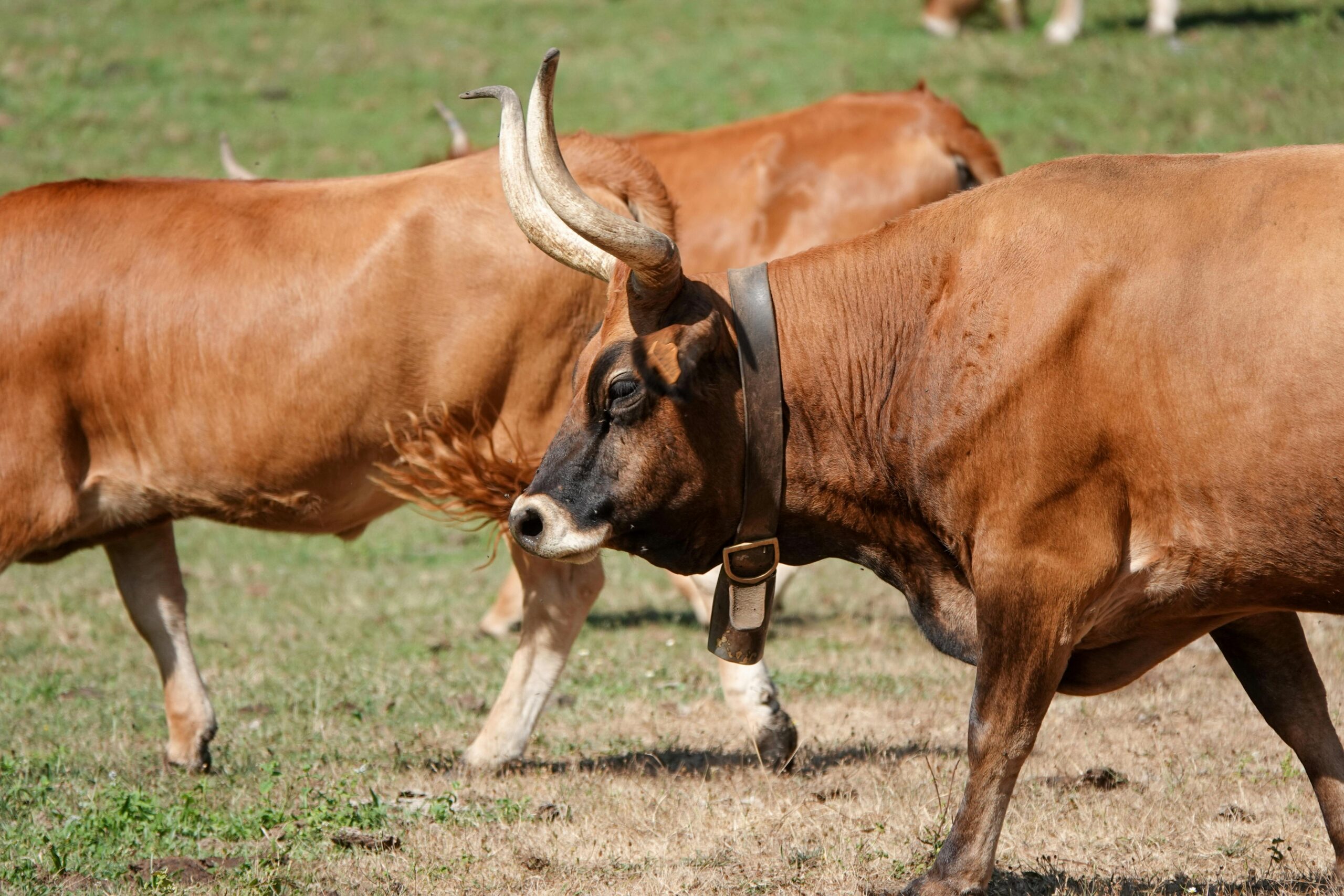
Profitable beef cattle production is a powerful agribusiness opportunity for farmers who understand that success comes from management, not merely animal ownership. Beef enterprises can generate strong returns through weight gain, breeding, and strategic market timing, but they also demand careful planning, disciplined feeding, and cost control. Without a clear production strategy, farmers often face slow growth, high maintenance costs, and disappointing sale prices that erode profitability.
This guide is designed to help aspiring and emerging agripreneurs approach beef cattle farming as a structured commercial venture. It focuses on the practical drivers of performance and profit – selecting suitable breeds, planning feeding systems, managing health and reproduction, controlling production costs, and selling at the right time and weight. Whether you are starting with a few animals or developing a larger operation, the insights shared here will help you avoid common setbacks, improve growth efficiency, and build a beef enterprise that delivers predictable financial returns.
-
1
 Choosing Your Path: Ranching vs. Feedlot
Before you buy a single animal, you must decide what kind of factory you are running. In the beef world, there are two primary ways to make money, and they require completely different mindsets, budgets, and timelines.
This step explores the Cow-Calf Ranching system (where you are a parent to the herd, breeding and raising calves from birth) versus the Buy-to-Finish Feedlot system (where you are a processor, buying thin, older cattle and fattening them quickly for a premium price).
Choosing the wrong system for your land, capital, or temperament is the quickest way to lose money. If you have vast, cheap land but little cash for daily feeding, ranching is your friend. If you have limited space but deep pockets for high-quality feed and want your money back in 90 days, the feedlot is your calling.
-
2
Selecting Superior Breeds for Resilience
In the beef business, your cattle are your machines. Just as a transporter wouldn't use a small saloon car to haul logs in the Mau Forest, an agriprenuer shouldn't use the wrong breed for their specific environment.
This step focuses on selecting the right engine - the breed - that can handle the heat, walk long distances for water, resist local diseases, and still put on meat quickly.
In Africa, and specifically Kenya, we are blessed with indigenous breeds like the Boran and Sahiwal, which have spent centuries adapting to our rugged terrain. Many beginners make the mistake of buying exotic European breeds like Angus or Hereford because they see them in movies. However, without expensive cooling systems and high-end feeds, those luxury cars often break down (or die) in our tropical conditions.
We will focus on the Workhorses of Africa: the breeds that turn tough grass into high-quality beef while surviving the scorching sun.
-
3
Financial Modeling and Inventory Value
In the beef business, many farmers are asset rich but cash poor. They look at a field full of 100 cows and feel wealthy, but they have no money in the bank to buy diesel, pay school fees, or invest in better hay.
This step is about shifting your mindset from being a cattle owner to being an agriprenuer who manages a portfolio of living assets.
Financial modeling sounds like a big word used by bankers, but for a farmer, it simply means planning your money before you spend it. We will break down how to calculate the Inventory Value of your herd -knowing exactly what every animal is worth today versus what it will cost to keep it until tomorrow. Whether you are running a 3-year breeding cycle or a 90-day feedlot flip, you must understand your Cash Flow (money coming in and out) and your Break-even Point (the price at which you stop losing money and start making profit).
-
4
Sourcing and Vetting Stock
In the beef business, you don’t make your profit when you sell; you make it when you buy. If you buy an animal that is secretly sick, too old to breed, or genetically stunted, no amount of expensive feed or magic injections will make it profitable. This step is about the detective work required to source high-quality cattle for your ranch or feedlot.
Whether you are scouting for store cattle (thin animals for finishing) or foundation stock (heifers and bulls for breeding), you need a clinical eye. In the bustling livestock markets of places like Rumuruti, Narok, or Garissa, it is easy to get caught up in the excitement and buy a lemon.
We will cover the protocols for vetting animals, the mandatory veterinary checks, and how to use Body Condition Scoring (BCS) to ensure you are paying the right price for the right potential. Think of this as your pre-purchase inspection before buying a used car - it saves you from expensive breakdowns later.

-
8
Tick and External Parasite Management
Ticks are not just a nuisance; they are silent thieves that steal your profit in two ways. First, they literally drink your money by sucking blood, which causes Tick Worry - a state where the animal is so uncomfortable it stops eating and starts losing weight. Second, and more dangerously, they transmit deadly diseases like East Coast Fever (ECF), Anaplasmosis, and Babesiosis (Redwater). A single infected tick can kill a KES 100,000 bull in a matter of days.
This step is about establishing a Fortress around your herd. We will focus on the discipline of Dipping and Spraying, the science of Acaricide Rotation (changing your tick-poison so ticks don't become immune to it), and the practical habits that separate a professional agriprenuer from a hobbyist. In the beef business, if you aren't killing ticks, you aren't making money.
-
9
Mandatory Vaccination Schedule
In the beef business, a single outbreak of Foot and Mouth Disease (FMD) or Anthrax can move your business from thriving to bankrupt in less than a week. Unlike a human who might get a mild cold, a cow hit by a tropical disease often dies quickly or loses so much weight that it becomes worthless.
This step focuses on the Mandatory Vaccination Schedule. Think of vaccinations as a non-negotiable insurance premium. You pay a small amount of money (often less than the cost of a single bale of hay) to protect an asset worth tens of thousands of shillings.
We will cover the Big Four killers in the African landscape and establish a No-Excuses calendar. In the beef business, waiting for the animal to get sick before you act is not treatment - it is crisis management, and it usually ends in a loss.
-
10
Internal Parasite Control (Worms)
While ticks are the enemies you can see, internal parasites (worms) are the hidden boarders living inside your cattle's stomach, lungs, and liver. They don't usually kill an adult cow instantly like Anthrax does, but they are the primary reason many beef business ventures fail to make a profit. These parasites eat the nutrients from the food the cow consumes before the cow can absorb them.
If you are running a feedlot and your cattle have worms, you are essentially buying expensive feed to fatten the worms rather than the cow.
This step focuses on a strategic Rotational Deworming schedule. We will move away from the blind approach of just giving any medicine and instead learn how to target the specific worms that plague our tropical rangelands - Roundworms, Tapeworms, and the dreaded Liver Fluke. In the beef business, a worm-free gut is the only way to ensure every kilo of grass or grain turns into a kilo of sellable meat.
-
11
Farm Biosecurity and Disease Isolation
Biosecurity is often a word people think belongs in a laboratory. For a beef agriprenuer, however, biosecurity is simply the practice of keeping outside diseases outside. You can spend thousands of shillings on the best vaccines and the best dewormers, but if a visitor walks into your farm with Foot and Mouth Disease (FMD) on their boots, or you buy a bargain bull that is secretly carrying Brucellosis, your investment can be wiped out in days.
This step is about creating a security protocol for your farm. We will focus on Disease Isolation (Quarantine), controlling who and what enters your production zone, and the specific risks of cross-contamination if you keep other livestock like pigs (which carry African Swine Fever) alongside your cattle.
In the beef business, being antisocial with your herd is a sign of a professional. You aren't just protecting cows; you are protecting your bank account from invisible intruders.
-
15
Range Management and Carrying Capacity
The biggest mistake a beef agriprenuer can make is thinking they are in the cow business. In reality, you are in the Grass Business. Your cattle are simply the machines that process that grass into meat.
This step focuses on Range Management - the science of managing your natural pasture so that it provides high-quality food all year round without being destroyed.
We will dive into the concept of Carrying Capacity, which is a fancy way of asking: "How many cows can my land feed without the grass dying?" If you put too many animals on a piece of land (Overgrazing), the good grasses die, the soil blows away in the wind, and your cattle starve. If you put too few, the grass becomes woody and loses its nutrition.
We will learn how to implement Rotational Grazing, ensuring your grass factory never shuts down, even when the clouds refuse to bring rain.
-
16
Dry Season Feed Preservation and Supplementation
In Africa, the biggest threat to a beef business isn't usually disease - it's the calendar. We live in a land of boom and bust. During the rainy season, grass grows so fast your cattle can’t keep up. During the dry season, that same grass turns into yellow, brittle straw with almost zero nutritional value. If you don't have a plan for the dry months, your cattle will lose all the weight they gained in the rain, and you will be forced to sell them for a drought price - which is essentially giving them away.
This step is about preserving the abundance. It's about taking the extra grass and stalks from the fat months and storing them for the lean months.
We will look at low-cost hay making, the power of silage, and how to use cheap local trash like maize stover and wheat bran to keep your animals growing when the fields are bare. In the beef business, profit is made by those who can keep their cattle gaining weight 365 days a year.
-
17
Formulating Low-Cost Mineral Licks and Blocks
In the world of beef farming, grass is the bread and water is the drink, but minerals are the sparks that make the engine run. Many African soils are naturally deficient in essential minerals like Phosphorus, Copper, and Zinc.
If these are missing, your cattle will suffer from Silent Hunger. They might have a field full of grass, but they won't grow, they won't get pregnant, and they will start eating strange things like bones, rags, or even dirt (a condition called Pica).
Commercial mineral blocks in the agrovet can be very expensive, especially for an emerging agriprenuer with a growing herd. This step focuses on how to formulate your own Low-Cost Mineral Licks and Urea-Molasses Blocks at home.
We will learn how to use local ingredients like common salt, lime, and bone meal to create a supplement that boosts digestion and immunity. By making your own blocks, you ensure your cattle are getting the vitamins they need to turn tough dry-season forage into high-quality muscle without breaking your bank.
-
18
Intensive Feedlot Rations for Finishing
This is where the Agri meets the Business in the most intensive way possible. Finishing is the final stage of beef production - the 90 to 120-day sprint where you transition an animal from a grass-based diet to a high-energy ration. The goal here isn't just growth; it is marbling (depositing fat within the muscle) and ensuring the meat is tender, juicy, and bright in color.
In this step, we will learn how to balance the Big Three of feedlot nutrition: Energy (the fuel), Protein (the building blocks) and Roughage (the fiber that keeps the stomach working).
We will also tackle the biggest danger in a feedlot: Acidosis. If you change a cow’s diet too quickly from grass to grain, its stomach can become too acidic, leading to illness or death. Success in the feedlot is about Precision Feeding - ensuring that every mouthful the animal takes contributes to the maximum possible weight gain at the lowest possible cost.
-
19
Bull Selection and Herd Fertility
There is an old saying among cattlemen: The bull is half the herd. While a cow contributes her genetics to only one calf per year, a single bull contributes his genetics to 25, 30, or even 50 calves in that same year. If you have a weak bull, your entire next generation of cattle will be weak. If you have an infertile bull, your business will experience a blackout where no calves are born, but costs keep rising.
This step focuses on selecting a Superior Sire and managing the fertility of the entire herd. We will move beyond just looking for a big animal and instead look for Reproductive Fitness.
We will discuss the Bull-to-Cow Ratio, how to check if your bull is actually doing his job, and the Magic Number of beef farming: the 12-month Calving Interval. In the beef business, fertility is the highest-paying trait - more important than even growth rate or muscle.
-
20
Cow Management and Calving
The birth of a calf is the payday for a breeding operation. Everything you have done - from managing grass to selecting the bull - comes down to this moment. However, the last two months of pregnancy and the first few hours after birth are the most dangerous times for your profit. A cow that struggles during delivery (dystocia) can lose her calf, her own life, or her ability to get pregnant again.
This step is about Maternal Management. We will look at how to prepare the maternity ward (the calving pen), how to spot a cow in trouble, and the Hands-Off rule versus when to call the vet. In the African context, we often deal with predators or harsh weather; therefore, creating a safe, clean environment for delivery is a business priority. A successful agriprenuer doesn't just let nature take its course - they manage the process to ensure 100% survival of both the machine (the cow) and the product (the calf).
-
21
Neonatal Care and Calf Health
The first 30 days of a calf’s life are the most volatile; this is when the mortality rate is highest in African beef systems. A dead calf isn't just a loss of a potential animal; it is the loss of the entire year’s worth of feed, water, and labor you invested in its mother.
This step focuses on Neonatal Care - the specialized management required for a newborn from the moment it hits the ground until it is safely weaned.
We will tackle the two biggest calf killers: Pneumonia and Scours (Diarrhea). We will also discuss the importance of Passive Immunity and the practical hygiene steps that keep a calf’s environment from becoming a breeding ground for germs. In the beef business, Calf Crop (the number of calves that survive to weaning) is the ultimate scorecard of your management skills.
-
22
Culling Protocol and Herd Record Keeping
In the beef business, sentiment is the enemy of profit. Many farmers keep pensioner cows that haven't produced a calf in three years simply because they like the animal's color or because it was the first cow they ever bought. As an agriprenuer, you must realize that every animal that isn't producing is a thief eating the grass and minerals meant for your productive stock.
This step focuses on Culling (the systematic removal of non-performing animals) and Record Keeping. We will move away from memory-based farming to data-based farming. We will establish clear criteria for which animals stay and which go to the slaughterhouse.
By keeping simple, effective records - even if it's just in a notebook - you can identify which cows are making you money and which are costing you your capital. In the beef business, you don't cull because you are mean; you cull to ensure the survival and growth of the business.
-
23
Live Weight Assessment and Grading Standards
The biggest disadvantage a small-scale beef farmer faces at the market is Information Asymmetry - which is just a fancy way of saying the buyer knows more about the weight and quality of your cow than you do. For decades, cattle trading locally has been done by estimation or sight. A trader looks at your bull and offers a flat price, usually underestimating the weight to protect their profit.
This step is about leveling the playing field. We will focus on how to accurately estimate Live Weight without an expensive digital scale and, more importantly, how to understand the Grading Systems used by modern abattoirs (slaughterhouses) like the Kenya Meat Commission (KMC) or private exporters.
We will look at Finished quality - the fat cover and age - that determines whether your beef is Prime (sold in high-end butcheries) or Manufacturing Grade (sold for canning or low-value stews). In this game, every kilo you miss in your estimation is money left on the table.
-
24
Securing Abattoir and Contract Sales
In the traditional livestock system, the farmer is a Price-Taker. You bring your cattle to the local market, and you take whatever the brokers (middlemen) are willing to pay that day. If you don't like the price, you have to take your animals back home, losing weight and money in the process. This is the primary reason many beef businesses stay small.
This step focuses on transitioning into a Professional Supplier. We will look at how to bypass the chaotic local markets by securing direct relationships with Abattoirs (Slaughterhouses) and forming Contract Sales Agreements.
By selling directly to processors like the Kenya Meat Commission (KMC), Choice Meats, or high-end hotel suppliers, you gain price stability, guaranteed payment, and a Target Weight to aim for. In the beef business, the most successful agriprenuer is the one who has sold the animal before it even finishes its last meal in the feedlot.
-
25
Minimizing Post-Production Losses (Transport and Stress)
You can spend three years raising the perfect Boran steer and 90 days finishing it to Prime grade, but you can lose up to 10% of your profit in the final 24 hours. This loss happens during the journey from your farm to the slaughterhouse. In the beef industry, this is known as Shrinkage and Dark Cutting.
When cattle are stressed, frightened, or bruised during transport, their bodies burn up the energy (glycogen) stored in their muscles. This results in meat that is dark, tough, and has a shorter shelf life - meat that professional graders will instantly downgrade to a lower price.
Furthermore, physical bruising from rough handling or protruding nails in a truck means the butcher has to trim away and discard kilograms of what should have been expensive steak. This step is about the logistics of moving your living gold safely to ensure the weight you measured at the farm is the weight you get paid for at the scale.
-
26
Value Addition and Vertical Integration
In the final step of your journey, we look at how to stop being just a supplier and start becoming a market owner. In the standard beef model, the farmer takes the most risk (drought, disease, 3 years of waiting) but often captures the smallest slice of the final consumer's shilling. The butcher and the supermarket often make more in three days than the farmer makes in three years.
Vertical Integration means owning more than one stage of the production process. Instead of just selling a cow, you might sell the meat, the leather, or even the experience.
This step is about de-commoditizing your beef - moving from selling a cow to selling a premium brand. By adding value, you insulate your business from market fluctuations and build a legacy that can last generations.